

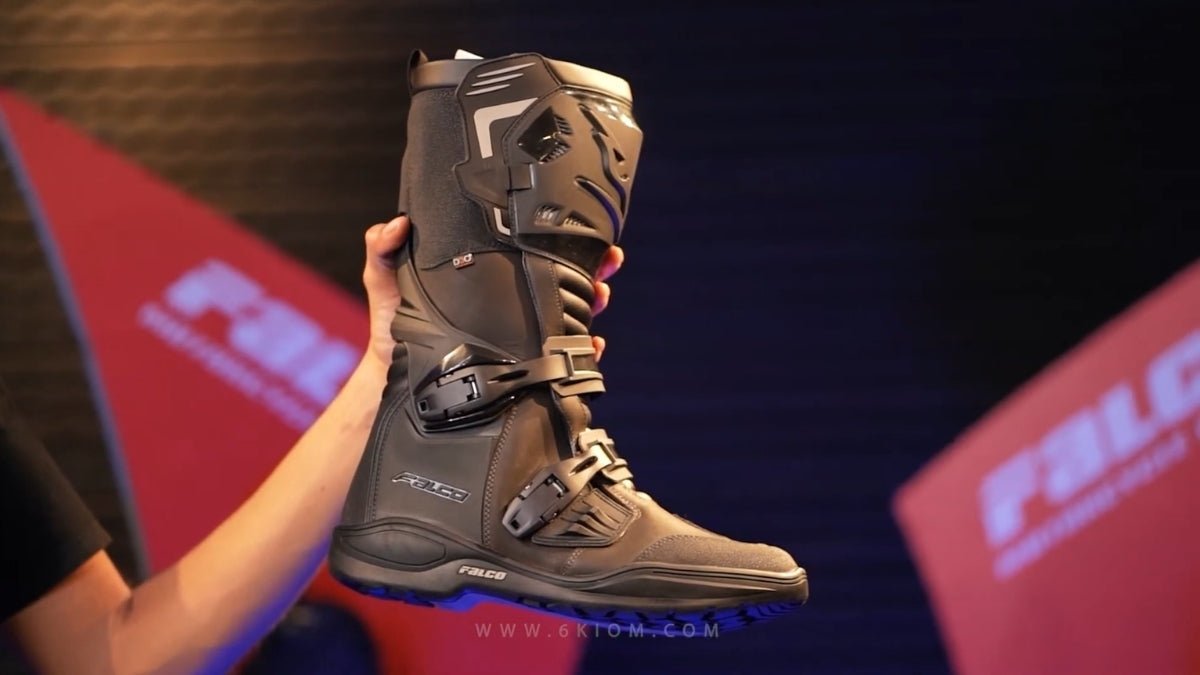
If motorcycling is part of your lifestyle and you understand the risks on the road, investing in quality motorcycle riding gear is a must. While helmets and gloves often get priority, riding boots are one of the most overlooked yet critical safety essentials.
Your feet are a primary contact point with the motorcycle and the road. Choosing the right pair of motorcycle riding boots ensures better protection, comfort, and confidence on every ride.
With the wide range of riding boots available today, selecting the perfect pair can be confusing. This guide breaks it down into 6 simple tips to help you choose the right riding boots for your needs.
Tip 1: Purpose of Use
The first step in choosing riding boots is understanding where and how you ride. Different boots are designed for different riding conditions.
Main types of motorcycle riding boots:
- Race Boots
- Adventure Boots
- MX Boots
- Urban Boots
- Touring Boots
Each type offers varying levels of protection, grip, and mobility. For example, MX boots are ideal for off-road riding due to their rigid build, while touring and urban boots offer better comfort for daily use.
Tip 2: Certification Matters
Always check for CE-certified riding boots. CE certification ensures the product has passed strict safety and durability tests.
Look for:
- CE Mark
- EN 13634:2017 certification (motorcycle boot standard)
- Protection level numbers below the mark
These certifications confirm abrasion resistance, impact protection, and overall reliability.
Tip 3: Protection Levels
The primary purpose of riding boots is impact and abrasion protection.
Common protected areas include:
- Toes
- Heel
- Arch
- Ankle
- Shin (in high-protection boots)
Race, Adventure, and MX boots provide extended protection up to the shin, while touring boots focus on ankle and foot safety with added comfort.
Tip 4: Materials Used
Materials play a major role in durability and comfort.
Key material features to look for:
- Leather outer shell for abrasion resistance
- Impact-absorbing inner padding
- Quality insoles and outsoles for grip and stability
- Waterproof membranes like Gore-Tex or similar technologies
High-quality materials improve longevity and riding comfort significantly.
Tip 5: Comfort for Riding Style
Comfort determines how often you’ll actually wear your boots.
- Touring and urban riding boots are best for daily riders
- Features like accordion panels improve foot mobility
- Lighter boots reduce fatigue during long rides
Always choose comfort based on your riding frequency and terrain.
Tip 6: Correct Sizing
Incorrect sizing can reduce protection and cause discomfort.
Before buying:
- Try the boots on
- Walk and shift gears
- Check pressure points on toes, heel, and arch
A properly fitted riding boot ensures both safety and riding confidence.
Conclusion
Choosing the right riding boots is about balancing safety, comfort, and purpose. Certified protection, quality materials, proper sizing, and correct usage make all the difference.
Always wear your riding gear, especially riding boots and a helmet, every time you ride.
Ride safe. Gear up responsibly.


