

Every rider knows the thrill of hitting the open road, the wind rushing past, and the hum of a well-tuned engine beneath them. But that exhilarating power generates a massive amount of heat. If you ride a modern, high-performance machine, mastering liquid-cooled motorcycle engine care is non-negotiable.
To keep your engine running at optimal temperatures, you need the right fluids. While many riders colloquially refer to this fluid as "coolant oil for bike" or simply bike coolant, understanding what it actually does, how much it costs, and why it matters is essential for the longevity of your motorcycle. Choosing the appropriate motorcycle coolant also helps ensure year-round reliability.
In this comprehensive guide, we will explore the benefits of using a dedicated bike coolant (also known as motorcycle coolant), dissect the average bike coolant price, and provide actionable tips to keep your cooling system in peak condition.

What Exactly is "Coolant Oil"?
Before diving into the benefits, let's clear up some common terminology. You might often hear riders search for the best coolant oil for bike maintenance. Technically speaking, engine coolant is not an oil; it is a specialized mixture of distilled water, antifreeze base (glycol), and protective additives.
However, the confusion is understandable. While some older or specific types of bikes use an engine oil coolant system (often referred to as an oil cooler) where engine oil acts as both a lubricant and a heat dissipator, modern liquid-cooled motorcycles use a dedicated water-and-glycol-based cooling system. Understanding this distinction is the first step in proper motorcycle maintenance.
Top Benefits of Using High-Quality Motorcycle Coolant
Using the best bike coolant you can afford is one of the smartest investments you can make for your machine. Here are the primary benefits:
1. Superior Temperature Regulation
Engines run hot, especially in stop-and-go traffic or during aggressive riding. One of the greatest high-boiling-point antifreeze benefits is that it prevents the fluid inside your radiator from vaporizing under extreme stress. By raising the boiling point of the water in your radiator, the coolant ensures your engine operates within its safe temperature range, preventing catastrophic failure.
2. Internal Engine Protection
A motorcycle's cooling system contains various metals, including aluminum, magnesium, and steel. High-quality motorcycle coolant is formulated with robust corrosion inhibitors for motorcycle engines. These additives prevent scale buildup, rust, and galvanic corrosion from destroying your water pump, radiator, and engine block from the inside out.
3. Freeze Protection
Just as it prevents boiling over in the summer, coolant acts as antifreeze in the winter. It lowers the freezing point of the liquid, ensuring your engine block doesn't crack due to expanding frozen water during sub-zero storage.
Understanding Coolant Chemistry
Not all coolants are created equal. When shopping for the right fluid, you will encounter a few distinct chemical variations.
Ethylene Glycol vs Propylene Glycol
The base of most modern coolants is either ethylene or propylene glycol.
- Ethylene Glycol: This is the traditional standard. It offers excellent heat transfer and freeze protection, but is highly toxic to humans and animals.
- Propylene Glycol: Often found in premium, eco-friendly coolants, propylene glycol is much less toxic. It is widely preferred by racers and environmentally conscious riders, though it may have a marginally lower heat transfer efficiency compared to ethylene.
Inorganic versus Organic Acid Technology
When evaluating the protective additives in your coolant, you must choose between different technologies:
- IAT (Inorganic Acid Technology): Uses silicates and phosphates to coat the engine's internal parts. It protects well but depletes quickly, requiring changes every two years.
- OAT (Organic Acid Technology): Contains no silicates. Instead, it relies on neutralized organic acids to prevent corrosion. OAT lasts significantly longer---often up to five years.
Waterless Coolants
For those seeking the ultimate upgrade, a high-performance waterless motorcycle coolant is an incredible option. Because it contains absolutely zero water, it will not boil under normal or even extreme riding conditions, and it eliminates the risk of internal water-based corrosion.

Signs Your Bike Needs a Coolant Check
Ignoring your cooling system can lead to severe engine damage. Familiarize yourself with these warning signs so you can act before it is too late.
Recognizing Overheating Symptoms
Common motorcycle engine overheating symptoms include:
- The radiator fan is running constantly, even at high speeds.
- A sweet, syrupy smell emanates from the engine (indicating a coolant leak).
- The temperature gauge is spiking into the red zone.
- Loss of engine power or a "ticking" sound from the engine block.
The Importance of Color
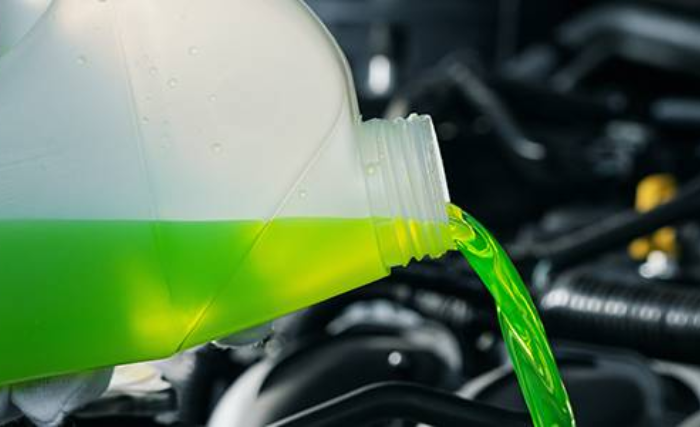
Have you ever wondered about the color of motorcycle coolant meanings? Coolants are dyed (green, pink, orange, or blue) to help you spot leaks and identify the type of coolant. While color isn't a universal standard for chemical makeup across all brands, a change in your coolant's color is a red flag. If your bright green or pink fluid has turned brown, cloudy, or muddy, it means rust and contaminants have built up, and it is time for a flush.
Routine Checks
Make checking motorcycle coolant levels a regular part of your pre-ride inspection. Locate your coolant reservoir (usually a translucent plastic tank near the engine or under the fairings) and ensure the liquid sits between the "Low" and "Full" indicator lines when the bike is upright and cold.
Can I Use Car Coolant in a Bike?
A frequently asked question in the riding community is: Can I use car coolant in a bike? The short answer is: usually no, and it is highly discouraged.
To understand why, we have to look at the specific needs of a motorcycle. Consider the characteristics of lubricant oil for bike and car coolant systems. Just as car engine oils contain friction modifiers that will cause a motorcycle's wet clutch to slip, automotive coolants contain silicates and phosphates designed for heavy cast-iron car engines.
If you put silicate-heavy car coolant into a high-revving motorcycle engine, those abrasive silicates act like microscopic sandpaper, quickly destroying the delicate mechanical seals in your bike's water pump. Always stick to motorcycle-specific, silicate-free formulas.
Bike Coolant: What Should You Expect to Pay?
Budgeting for your motorcycle's upkeep means understanding cooling system maintenance costs. Fortunately, coolant is one of the most affordable protective fluids you can buy.
Average Costs
The bike coolant (referring to standard liquid coolant) typically ranges based on brand and formulation. High-performance waterless coolants will cost more initially but never need to be changed, potentially saving you money in the long run.
Pre-mixed versus Concentrated Coolant Value
When assessing prices, consider pre-mixed versus concentrated coolant value:
- Pre-Mixed (50/50): These are ready to pour straight into your radiator. They offer maximum convenience and ensure the water used is properly distilled and deionized. However, you are essentially paying for 50% water, making them slightly more expensive by volume of active ingredients.
- Concentrated: This fluid must be mixed with distilled water (never tap water!) before use. It offers a much better value for your money since one gallon of concentrate makes two gallons of usable coolant.

Routine Maintenance: Flushing and Changing Your Coolant
Even the highest-quality coolants degrade over time. The corrosion inhibitors break down, and the fluid's ability to transfer heat diminishes.
Timelines for Changes
So, how often to change motorcycle coolant? As a general rule of thumb:
- Standard (IAT) coolants should be changed every 2 years or 24,000 miles.
- Long-life (OAT) coolants can last up to 4 or 5 years.
- Always consult your specific owner's manual.
It is best practice to align your coolant changes with other major fluid services, such as changing your brake fluid, fork oil, and your standard bike maintenance oil.
A Quick Motorcycle Radiator Flush Guide
When it is time for a change, simply draining and refilling isn't enough. You need to flush the system to remove old contaminants. Here is a brief motorcycle radiator flush guide:
- Prep the Bike: Ensure the engine is completely cold. Removing a radiator cap from a hot engine can cause severe burns due to pressurized, boiling fluid.
- Drain the Old Fluid: Place a drain pan under the water pump. Remove the radiator cap, then unscrew the coolant drain bolt located on the water pump cover. Let it drain completely.
- Flush with Distilled Water: Reinstall the drain bolt. Fill the radiator to the brim with pure distilled water (or a dedicated chemical radiator flush if the system is very dirty).
- Run the Engine: Put the radiator cap back on, start the bike, and let it idle for a few minutes until it reaches operating temperature. This opens the thermostat and pushes the flush water through the entire engine block.
- Drain Again: Let the engine cool down completely, then drain the water out just as you did the old coolant.
- Refill with Fresh Coolant: Reinstall the drain bolt with a new crush washer. Slowly pour your fresh, pre-mixed motorcycle coolant into the radiator.
- Burp the System: Leave the cap off, start the engine, and gently squeeze the radiator hoses. This "burps" any trapped air bubbles out of the system. Top off the fluid as the level drops, then replace the cap securely.
Conclusion
Proper temperature management is the lifeblood of a healthy, high-performing motorcycle. While it is easy to focus purely on horsepower, tires, and suspension, the simple act of maintaining your cooling system dictates how long your engine will survive the rigors of the road.
By investing in the right bike coolant, choosing the appropriate chemical makeup, and keeping up with regular flushes, you protect your engine from internal corrosion, freezing, and boiling over. Whether you ride a track-day sportbike or a cross-country tourer, taking liquid cooling maintenance seriously ensures your machine remains reliable, efficient, and ready for whatever adventure lies ahead. Ride safe, and keep it cool!
Q&A
1.) What does "coolant oil for bike" actually refer to?
Despite the name, engine coolant isn't an oil. Modern liquid-cooled motorcycles use a water-and-glycol coolant with corrosion-inhibiting additives. Some older or specific bikes use an oil-cooler system where engine oil coolant helps shed heat, but that's different from the dedicated water/glycol coolant used in most contemporary bikes.
2.) What type of motorcycle coolant should I buy (ethylene vs propylene, IAT vs OAT, waterless)?
Choose based on your priorities and your owner's manual:
- Ethylene glycol: Excellent heat transfer and freeze protection; highly toxic.
- Propylene glycol: Less toxic and popular with racers/eco-minded riders; slightly lower heat transfer.
- IAT (inorganic): Strong protection but depletes faster; change about every 2 years.
- OAT (organic): No silicates; longer life---often up to 5 years.
- Waterless coolant: No water, so it resists boiling and eliminates water-based corrosion; costs more but doesn't require regular changes.
3.) Can I use car coolant in my motorcycle?
Usually, No---avoid it. Many automotive coolants contain silicates/phosphates suited to car engines that can act like abrasive particles in a high-revving bike, quickly damaging water-pump seals. Use motorcycle-specific, silicate-free formulas recommended by your manufacturer and consider the characteristics of lubricant oil for bike and car coolant when making your choice.
4.) How do I know when to check or change my coolant?
Watch for symptoms and follow timelines:
- Overheating signs: Fan running constantly, sweet coolant smell (leak), temp gauge in the red, power loss, or ticking.
- Color changes: If bright green/pink turns brown/cloudy/muddy, it's time to flush.
- Routine check: Verify cold level sits between "Low" and "Full" in the reservoir.
- Change intervals: IAT about every 2 years/24,000 miles; OAT up to 4-5 years. Always confirm with your owner's manual.


