

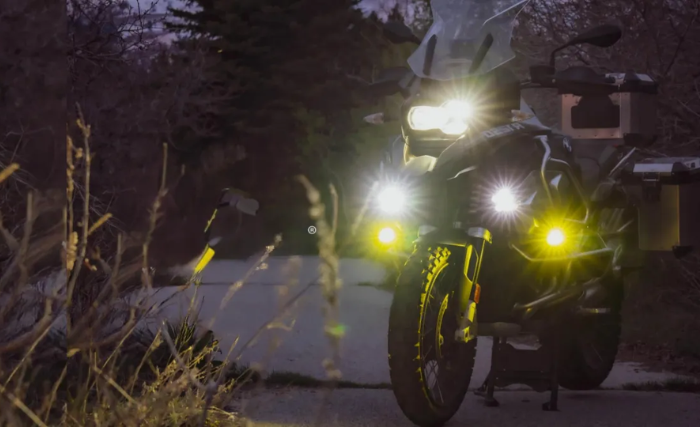
Let’s be honest — opening your motorcycle’s headlight bucket or removing fairings to reveal a maze of wires can feel intimidating. While many riders are comfortable with mechanical repairs, electrical issues often seem confusing and complicated.
The good news? Understanding your motorcycle's electrical system becomes much easier once you learn how to read a motorcycle wiring diagram. Think of it like a roadmap that shows how electricity flows through your bike.
Whether you’re troubleshooting a dead battery, installing auxiliary lights, or upgrading accessories on a modern CANbus motorcycle, this guide will help simplify the process.
What is a Motorcycle Wiring Diagram?
A motorcycle wiring diagram is a visual representation of your bike’s electrical system. Instead of showing where wires physically run, it explains how electrical components connect and communicate.
A standard motorcycle electrical diagram usually includes:
- Battery
- Ignition switch
- Fuses
- Relays
- Lights
- Sensors
- Ground connections
Every system follows the same principle:
Electricity flows from the battery’s positive terminal, passes through electrical components, and returns to the negative terminal through grounding points.
Understanding this flow is the first step toward diagnosing motorcycle electrical problems
How to Read Motorcycle Wiring Schematics
Learning how to read motorcycle wiring schematics becomes easier once you understand electrical symbols and wire color codes.
Common Electrical Symbols
Most motorcycle wiring diagrams use universal electrical symbols.
Battery Symbol
Shown as alternating long and short parallel lines.
Switches
Displayed as a break in a line with movable contacts.
Fuses
Usually represented by a small rectangle.
Ground Connections
Shown as descending horizontal lines.
Grounding is extremely important in motorcycles. Loose or corroded grounds are one of the most common causes of electrical failures.
Understanding Motorcycle Wire Colors
Manufacturers use specific wire color codes to simplify electrical troubleshooting.

Examples:
- Honda commonly uses green for ground wires
- Yamaha often uses black for the ground
You may also notice codes like:
- R/W = Red with White stripe
- B/Y = Black with Yellow stripe
Always check your motorcycle’s service manual before modifying wiring.
Motorcycle Charging System Explained
Your motorcycle's charging system keeps the battery charged while the engine runs.
Main charging system components include:
- Stator
- Regulator Rectifier
- Battery
If your battery repeatedly dies, these components should be checked first.
Common Regulator Rectifier Failure Symptoms
- Flickering headlights
- Battery overheating
- Voltage spikes above 15V
- Weak battery charging
A multimeter can help identify charging system problems quickly.
Motorcycle Ignition System Basics
The ignition system controls when spark plugs fire.
Modern motorcycles generally use:
- AC-CDI systems
- DC-CDI systems
AC-CDI
Uses power directly from the stator and may run even with a weak battery.
DC-CDI
Requires a healthy 12V battery supply to function properly.
Understanding the difference helps diagnose no-spark issues faster.
Troubleshooting Motorcycle Electrical Problems
Effective motorcycle electrical troubleshooting requires patience and the right tools.
Using a Multimeter
A digital multimeter is essential for checking:
- Battery voltage
- Continuity
- Charging output
- Short circuits

To trace electrical faults:
- Set the multimeter to DC voltage
- Connect the black probe to ground
- Follow the circuit using the red probe
The point where the voltage disappears usually indicates the fault.
Finding Short Circuits and Battery Drains
Short Circuits
Blown fuses usually indicate damaged or exposed wiring.
Inspect:
- Pinched wires
- Melted insulation
- Loose connectors
Parasitic Battery Drain
If your bike battery dies while parked:
- Disconnect the negative battery cable
- Measure current draw using a multimeter
- Remove fuses one by one to locate the faulty circuit
Installing Motorcycle Accessories Safely
Adding accessories incorrectly can damage your wiring system.
Wire Gauge Matters
Recommended wire sizes:
- 18 AWG for LED lights
- 14–12 AWG for high-power accessories
Using undersized wires may cause overheating.
Use Relays for High-Draw Accessories
Never connect powerful accessories directly through handlebar switches.
Instead, use relays for:
- Auxiliary lights
- Horns
- Heated grips
Relays improve safety and protect factory wiring.
Modern Motorcycles and CANbus Systems
Many modern motorcycles from BMW, Triumph, and Harley-Davidson use CANbus technology.
Unlike traditional wiring systems, CANbus motorcycles use digital communication between components.
Improper accessory installation can:
- Trigger warning lights
- Shut down circuits
- Cause electronic faults
That’s why CANbus-compatible accessory managers are important.
What is HEX ezCAN?
HEX ezCAN is a smart motorcycle CANbus controller designed for modern motorcycles.
It allows riders to safely install accessories without cutting factory wires.
HEX ezCAN connects directly to the motorcycle’s diagnostic port and enables easy control of:
- Auxiliary lights
- Brake lights
- Horns
- Heated gear
Benefits of HEX ezCAN
- Plug-and-play installation
- No wire cutting
- Safe CANbus integration
- Custom accessory programming
- Compatible with many BMW, Triumph, and Harley-Davidson motorcycles
For riders upgrading modern adventure motorcycles, HEX ezCAN provides one of the safest wiring solutions available.
Why Riders Choose HEX ezCAN in India
Modern motorcycles have increasingly sensitive electronics. Traditional relay wiring methods may not work properly on CANbus systems.
Using a motorcycle CANbus controller like HEX ezCAN helps:
- Prevent electrical damage
- Avoid dashboard errors
- Simplify accessory installation
HEX ezCAN is now available in India through 6KIOM.
Conclusion
Understanding a motorcycle wiring diagram doesn’t require advanced engineering knowledge. Once you learn basic electrical flow, symbols, and troubleshooting methods, diagnosing motorcycle electrical issues becomes far less intimidating.
FAQ
1. What does a motorcycle wiring diagram show?
A motorcycle wiring diagram shows how electrical components are connected within the bike. It explains the flow of electricity between the battery, switches, lights, ignition system, and grounding points.
2. Why is understanding a motorcycle electrical diagram important?
Understanding a motorcycle's electrical diagram helps riders diagnose electrical problems, install accessories safely, and avoid damaging factory wiring systems.
3. What tools are needed for motorcycle electrical troubleshooting?
Basic tools include:
- Digital multimeter
- Screwdrivers
- Wire stripper
- Electrical tape
- Motorcycle service manual
A multimeter is especially important for checking voltage, continuity, and battery health.
4. What causes motorcycle electrical problems?
Common causes include:
- Loose ground connections
- Corroded terminals
- Damaged wires
- Weak batteries
- Faulty regulator rectifiers
- Blown fuses
Regular inspection can prevent most electrical failures.
5. What is a Motorcycle CANbus System?
A Motorcycle CANbus system is a digital communication network used in modern motorcycles. It allows electronic components to communicate efficiently without excessive wiring.
Brands like BMW, Triumph, and Harley-Davidson commonly use CANbus technology.
6. Can I install auxiliary lights without cutting factory wires?
Yes. Modern accessory managers like HEX ezCAN allow plug-and-play installation without cutting or modifying factory wiring.
7. What is HEX ezCAN used for?
HEX ezCAN is used to safely connect and control motorcycle accessories such as:
- Auxiliary lights
- Horns
- Brake lights
- Heated gear
It is designed specifically for CANbus-equipped motorcycles.
8. Is the HEX ezCAN compatible with all motorcycles?
HEX ezCAN is mainly designed for modern CANbus motorcycles from brands like BMW, Triumph, Harley-Davidson, Ducati, and select KTM models.
Always verify compatibility before purchase.
9. How do I identify a faulty regulator rectifier?
Common regulator rectifier failure symptoms include:
- Flickering headlights
- Battery overcharging
- Weak battery charging
- Voltage spikes above 15V
A multimeter test can confirm charging system issues.
10. Where can I buy HEX ezCAN in India?
You can purchase HEX ezCAN accessories in India from 6KIOM
Whether you ride a classic motorcycle or a modern CANbus-equipped adventure bike, proper wiring knowledge helps improve reliability, safety, and customization.
If you plan to install accessories on a modern motorcycle, using a smart CANbus controller like HEX ezCAN can make the process safer and easier.


